Rubbish collection Streatham High Road tips for South London
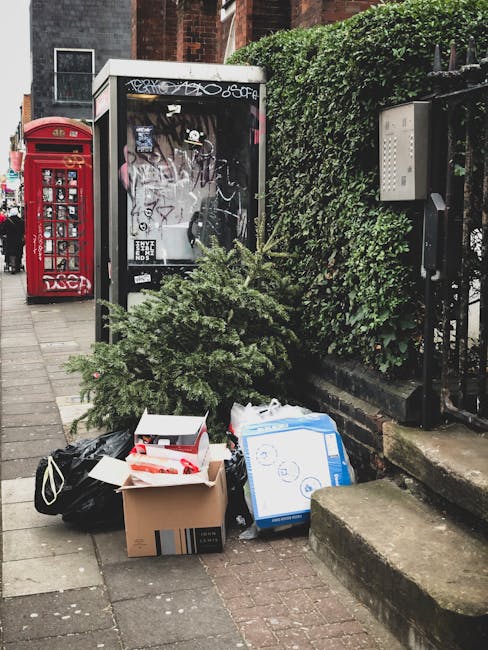
If you live, work, or manage a property near Streatham High Road, rubbish collection can feel oddly tricky. One minute it's a single broken chair, the next it's a hallway full of boxy flat-pack leftovers, garden bags, or old office clutter. The street is busy, access can be tight, and South London life does not always leave you with a neat, empty pavement window. This guide brings together practical Rubbish collection Streatham High Road tips for South London so you can plan better, avoid common mistakes, and choose the right disposal route with far less stress.
We'll look at how rubbish collection works in a local setting, what makes Streatham High Road different, which options tend to suit homes and businesses, and how to stay on the right side of best practice. No fluff. Just the useful stuff you wish someone had told you before the bags started piling up by the front door.
Why Rubbish collection Streatham High Road tips for South London Matters
Streatham High Road has that classic South London mix: busy traffic, high-footfall shops, flats above businesses, terraced homes nearby, and a steady stream of moving day chaos. That means rubbish collection is not just about "getting rid of stuff". It is about timing, access, sorting, and making sure your waste leaves the property without causing a nuisance or a headache for neighbours.
In practice, the wrong approach can create more problems than it solves. Bags left too long can attract attention, bulky items can block shared entrances, and mixed waste can become more expensive to clear because it takes longer to sort. If you've ever tried dragging an old wardrobe down narrow stairs at 7.30am, you'll know exactly what I mean. Not ideal.
For South London households and businesses, local rubbish collection matters because space is often at a premium. Many people are working with small storage areas, shared bins, limited parking, and tight time windows. A little planning goes a long way. It keeps things orderly, reduces stress, and makes collection day feel like a clean reset rather than a scramble.
There's also a simple trust factor. Good rubbish collection should feel predictable. You want to know what can be taken, how it will be handled, and whether anything awkward - broken furniture, builders' debris, old office items, or garden waste - needs special care. That sort of clarity is what turns a messy job into a manageable one.
How Rubbish collection Streatham High Road tips for South London Works
At a high level, rubbish collection is straightforward: you identify what needs removing, separate it into sensible groups, arrange collection, and make sure the items are ready when the team arrives. The reality is a bit more nuanced, especially in a busy London setting.
Most collection jobs fall into one of a few broad categories: household clutter, bulky furniture, bagged mixed rubbish, garden waste, builders' waste, or commercial waste from shops and offices. Each one has different handling needs. For example, a few bags of general waste are very different from dismantled shelving, wet carpet offcuts, or a fridge that needs careful loading. The more clearly you define the load, the smoother it usually goes.
Near Streatham High Road, access is often the deciding factor. Can a vehicle stop nearby without causing problems? Is the waste in a front garden, rear alley, basement, or upstairs flat? Are there time restrictions or shared building rules? These details matter more than people expect. They affect how long the job takes and whether you need extra help carrying items down steps or through communal spaces.
If you're dealing with a flat, a shop, or a split-level property, it is often worth planning the collection route before the day itself. That means checking lifts, stair width, doorway clearance, and where items can be placed safely without obstructing the pavement or common areas. A five-minute walk-through can save half an hour of faffing later.
For bigger clearances, a more complete service may be the better fit. Pages such as rubbish clearance, waste collection, and waste removal are often the closest match when the job goes beyond a few bin bags. For specific bulky items, furniture disposal or sofa removal can make a lot more sense than trying to improvise.
Key Benefits and Practical Advantages
The main benefit is obvious: less clutter. But the real value of organised rubbish collection is bigger than that. It gives you back usable space, reduces the feeling that the property is "half-moving" or half-finished, and makes it easier to get on with the next stage of a project.
Here are the advantages people notice most often:
- Less disruption: items are removed in one go rather than dribbling out over several days.
- Better space management: hallways, spare rooms, yards, and shop back areas become usable again.
- Cleaner presentation: useful for landlords, tenants, homeowners, and businesses preparing for viewings or reopening.
- Reduced manual strain: you avoid lifting awkward or heavy items yourself.
- More predictable planning: you can schedule around work, deliveries, or customer opening hours.
There's also a practical financial angle, though it varies by job and provider. A tidy collection plan often saves time, and time is money in London - especially if you are paying for labour, waiting on a moving van, or trying to keep a shop running. Even on a domestic clearance, the difference between "prepared" and "not prepared" can be surprisingly large.
For refurbishment work or end-of-tenancy clean-outs, linking rubbish collection with builders waste or flat clearance can be a smarter route than booking separate ad hoc removals. That's especially true when the waste is mixed and the volume is changing as the project goes on. Truth be told, a single coordinated collection is often easier on everyone.
Who This Is For and When It Makes Sense
This kind of rubbish collection advice is useful for a wide range of people around Streatham High Road and the surrounding South London area. You might be a homeowner clearing out a loft, a tenant leaving a flat, a landlord getting a property ready, or a business owner trying to keep the premises tidy without interrupting customers.
Typical situations include:
- Moving home: old furniture, packaging, broken bits, and items you no longer want to take with you.
- After a renovation: plasterboard, timber offcuts, broken fittings, tiles, and general builders' debris.
- End of tenancy: left-behind clutter, bagged waste, and bulky furniture.
- Shop, salon, or office updates: old displays, office chairs, storage units, and packaging.
- Garden tidy-ups: branches, cuttings, soil bags, and worn-out outdoor items.
- Garage or basement clear-outs: the classic "we'll deal with it later" pile. We all know that pile.
It also makes sense when your own storage or bin capacity has hit the ceiling. If you've got more material than your regular bins can sensibly handle, or if you have items that won't go in standard domestic waste streams, a dedicated collection is usually the practical choice.
For businesses, the logic is even simpler. A cluttered back room can slow staff down, a blocked entrance looks untidy, and waste left too long can send the wrong signal to customers. In that case, looking at business waste or office clearance may be the cleaner fit.
Step-by-Step Guidance
If you want the smoothest result, treat rubbish collection like a small project. A bit of structure helps more than people expect. Here's a practical way to handle it.
- Sort the waste first. Separate bulky items, bagged waste, recyclables where relevant, and anything that might need special handling.
- Check access. Measure awkward furniture, note stairs, and think about where a vehicle can reasonably stop.
- Decide what stays and what goes. This is the stage where people often change their minds three times. Fair enough, but do it before collection day if possible.
- Group items together. Put bags in one place, stack light bulky items safely, and keep pathways clear.
- Remove obvious hazards. Nails, loose glass, sharp edges, leaking containers, and unstable piles should be addressed before the team arrives.
- Book the right service level. Small domestic clearances are different from larger mixed loads or commercial jobs.
- Confirm timing and access notes. Mention gates, parking constraints, loading points, buzzers, and any building rules.
- Do a final sweep. On the morning of collection, check cupboards, under beds, balcony corners, and that one suspicious "maybe we need it" box.
If you're clearing a larger property, it can help to combine the job with home clearance or house clearance. That way, the collection is based around the actual scale of the project rather than guessing and hoping for the best. Hoping for the best is not a plan. It just feels like one.
For mixed household items, especially furniture-heavy jobs, it is often worth removing the largest pieces first. Once the sofa, wardrobe, or bed frame is gone, everything else suddenly seems more manageable. Little psychological trick, but it works.
Expert Tips for Better Results
These are the little things that make rubbish collection feel organised instead of chaotic. Most are simple, but simple does not mean obvious when you're tired, moving house, or trying to keep a business open.
- Take photos before booking. Not because anyone loves paperwork, but because photos help clarify volume and access.
- Keep wet waste separate. Soaked cardboard, food waste, and damp garden cuttings can make a load heavier and messier than expected.
- Break down bulky items where safe. Flat-pack furniture, shelving, and bed frames often become much easier to move when dismantled.
- Protect shared spaces. In flats and converted buildings, lift lobbies and stairwells matter. A bit of care keeps neighbours happy.
- Use the front-of-property "staging" area wisely. Put items there only when you are ready, so the pavement or hallway is not cluttered for longer than necessary.
- Think in categories, not random piles. Mixed waste is fine, but the clearer the grouping, the easier the collection.
One practical observation from experience: most delays happen because of access, not volume. A small pile in an awkward top-floor flat can take longer than a bigger pile on a driveway. That's just London, really.
If you know your job includes awkward lifting, narrow passages, or awkward old furniture, services like garage clearance and furniture disposal can be a better fit than a generic collection. The detail matters.
Common Mistakes to Avoid
Even sensible people make rubbish collection harder than it needs to be. Usually it comes down to rushing, guessing, or assuming everything can be treated the same way.
- Leaving sorting until the last minute. This leads to confusion, awkward lifting, and missed items.
- Blocking access routes. If the collection crew cannot reach the waste easily, the job slows down fast.
- Mixing unsuitable materials. Certain items should be separated or flagged in advance, especially if they are dirty, sharp, or potentially hazardous.
- Overfilling bags. Heavy bags are difficult to move safely and can split at the worst possible moment.
- Forgetting where items are stored. Sounds silly, but it happens. A spare chair in the back yard can be overlooked completely.
- Booking the wrong service size. A small collection can be fine for a few items, but a larger mixed clearance needs more planning.
The biggest mistake is probably underestimating how much waste there really is. Once you start moving things out, hidden clutter appears behind wardrobes, under sinks, in sheds, and in those mysterious corners nobody has cleaned since the last decade. A bit dramatic, maybe, but only slightly.
Tools, Resources and Recommendations
You do not need a truckload of equipment to prepare rubbish for collection, but a few basic tools make life much easier. Keep it simple and practical.
- Heavy-duty bags or sacks: useful for loose mixed waste and garden cuttings.
- Gloves: good grip matters, especially with rough or dusty items.
- Box cutter or screwdriver: helpful for dismantling flat-pack furniture safely.
- Marker pen and tape: handy for labelling items or marking what stays.
- Wheelbarrow or sack truck: useful for heavier items where access allows.
- Dust sheets or old blankets: useful for protecting floors and door frames.
For certain types of waste, specialist handling is worth considering. Garden jobs may suit garden clearance. Property transitions may be easier with flat clearance. Commercial premises may need business waste support. And if a project is generating mixed leftover material, waste clearance is often the broadest and most flexible route.
As a rule, choose the option that matches the waste you actually have, not the waste you hoped you would have. That sounds obvious, but it saves a lot of stress later.
Law, Compliance, Standards, or Best Practice
Rubbish collection in South London should always be handled with care and common sense. You do not need to know every technical detail, but you do need to follow basic best practice: keep waste contained, avoid blocking public areas, and make sure anything removed is handled responsibly.
For householders, the main thing is to avoid leaving rubbish where it could become an obstruction or an eyesore. For businesses, waste management needs a little more discipline because customer areas, staff areas, and back-of-house storage can quickly become cluttered if collections are not planned properly.
For any kind of collection, it's sensible to separate items that may need special attention. That includes electricals, sharp materials, liquids, and anything contaminated with dirt, grease, or paint. Not everything should be shoved into one bag and hoped away. In the real world, that usually creates the exact opposite of convenience.
It is also wise to use a provider that can describe its service clearly, including what happens with collected waste and what kind of items it can take. The broader principle is simple: if a job is done cleanly and responsibly, there should be no mystery about where the waste goes or how it is managed. That level of clarity matters.
For many readers, the safest approach is to book through a service that already covers the right category, such as rubbish collection, waste disposal, or rubbish removal. The names are similar, but the practical fit can be different, so it is worth checking the details carefully.
Options, Methods, or Comparison Table
If you are deciding how to clear waste around Streatham High Road, the easiest way is to compare the main approaches side by side. The best choice depends on volume, item type, urgency, and access. No one method suits every job, and that's perfectly normal.
| Method | Best for | Strengths | Watch-outs |
|---|---|---|---|
| Bagged household collection | Small to medium mixed waste | Simple, quick, low fuss | Not ideal for bulky or heavy loads |
| Furniture-focused removal | Sofas, wardrobes, tables, beds | Good for awkward items and heavy lifting | Needs good access and accurate item listing |
| Flat or house clearance | Whole rooms, end-of-tenancy, moves | Efficient for larger clear-outs | Can take more planning and sorting |
| Garden clearance | Cuttings, branches, outdoor waste | Useful after pruning or landscaping | Wet green waste can be heavier than expected |
| Builders' waste collection | Renovation debris and site leftovers | Good for ongoing work and mixed construction waste | May need clear separation from household waste |
In many real-life cases, the answer is not "which method is best?" but "which method fits this exact job?". That's the bit people miss. If you are clearing a student flat, flat clearance may be enough. If you are emptying a garage after years of storage, garage clearance may be more efficient. If it is a mixed domestic and renovation load, then a broader waste removal approach may be the cleaner answer.
Case Study or Real-World Example
Here's a realistic example from the kind of situation people face all the time on or near Streatham High Road.
A couple in a first-floor flat had a move-out deadline on a Friday, a wardrobe that would not fit through the door in one piece, several black bags of mixed clutter, and a sofa that had clearly reached the end of its long and frankly heroic life. The entrance was shared, the stairwell was narrow, and there was only a short window before the building got busy again.
What worked best? They sorted the waste the night before, kept the hallway clear, dismantled what could be dismantled safely, and grouped the bulky items together by room. The collection itself was much quicker because nobody was trying to decide what belonged to which pile. The sofa went first, the bagged items next, and the awkward boards last. Calm, tidy, done.
That sort of job is a good reminder that rubbish collection is often about sequence rather than strength. If you plan the order well, the actual removal feels lighter. Literally and mentally. And on a damp London morning, that matters more than people think.
Practical Checklist
Use this quick checklist before collection day. It keeps the process tight and helps avoid those annoying little oversights.
- Have I sorted items into sensible groups?
- Have I checked what is being kept, donated, stored, or removed?
- Is access clear from the property to the collection point?
- Have I measured any awkward furniture or large items?
- Are bags sealed and not overfilled?
- Have I separated any items that may need special handling?
- Do I know where the waste will be placed for collection?
- Have I told anyone else in the property or business premises about the collection time?
- Are common areas protected from scuffs or spills?
- Have I kept the final "maybe" pile under control?
Expert summary: the best rubbish collection jobs are rarely the most complicated ones. They are the ones that are prepared properly, keep access simple, and match the service to the actual waste. That's the formula, really.
Get a free quote today and see how much you can save.
Conclusion
Rubbish collection on Streatham High Road is easiest when you plan around the realities of South London life: tight access, busy streets, shared buildings, and waste that rarely arrives in a neat little pile. Once you sort the load, choose the right service type, and prepare the property properly, everything becomes much more manageable.
The key is not to overcomplicate it. Start with what needs to go, think about how it will leave the property, and be honest about the volume and access. That's what keeps the job smooth. And if the pile is bigger than expected - which it often is - that is not a disaster. It just means a better plan is needed.
With the right approach, rubbish collection becomes one less thing to worry about, and sometimes that small relief is exactly what a busy South London week needs.
Frequently Asked Questions
What is the best way to arrange rubbish collection on Streatham High Road?
The best approach is to sort the waste first, check access, and choose a service that matches the type and volume of rubbish. That saves time and reduces the risk of last-minute surprises.
Can I mix household waste and bulky items in one collection?
Often yes, but it depends on the collection method and the nature of the items. Mixed loads are common, although bulky furniture, builders' waste, and garden waste may be easier to handle when grouped sensibly.
Do I need to dismantle furniture before collection?
Not always, but it usually helps. If a wardrobe, bed frame, or table is awkward to carry, breaking it down safely can make the collection faster and easier.
What should I do if I live in a flat with narrow stairs?
Measure key items, keep communal routes clear, and tell the collection team about the access in advance. In tight buildings, access is often the main thing that affects timing.
Is rubbish collection better than making multiple trips to the tip?
For many people, yes. It saves time, avoids repeated loading and unloading, and is often more practical if you have bulky or heavy items. Multiple trips can be fine, though, if the load is small and you have the vehicle space.
What kind of rubbish is most commonly collected in South London homes?
Typical items include old furniture, bagged clutter, broken household goods, packaging, and garden waste. Move-outs and refurbishments often create the messiest loads.
How do I avoid making the collection area messy?
Group items neatly, seal bags properly, and keep the route from the property to the collection point clear. It sounds basic, but it makes a real difference.
When should I book a bigger service like house clearance instead?
If you are clearing several rooms, dealing with a full property, or removing a large amount of mixed waste, a broader service such as house clearance is usually the better fit.
What if I have old furniture and household junk together?
That is very common. In many cases, a furniture-focused service or wider rubbish removal can deal with both, provided the items are described clearly and access is straightforward.
Can business premises on Streatham High Road use the same kind of collection as homes?
Sometimes, but commercial properties often benefit from a more tailored approach. Shops, salons, offices, and cafes usually have different waste patterns and access considerations.
How far in advance should I prepare for rubbish collection?
Ideally, give yourself at least a little time to sort items properly and clear access. Even a day or two helps if you are dealing with a bigger load or a busy property.
What is the main mistake people make with rubbish collection?
The biggest mistake is underestimating access and volume. The waste always seems smaller before you start moving it. That is half the battle, to be fair.
For more support with larger clear-outs, it can help to look at South West London coverage or explore the company's about us information before you book. If you're ready to sort a specific job, the right starting point is usually the page that best matches the waste you actually have.